




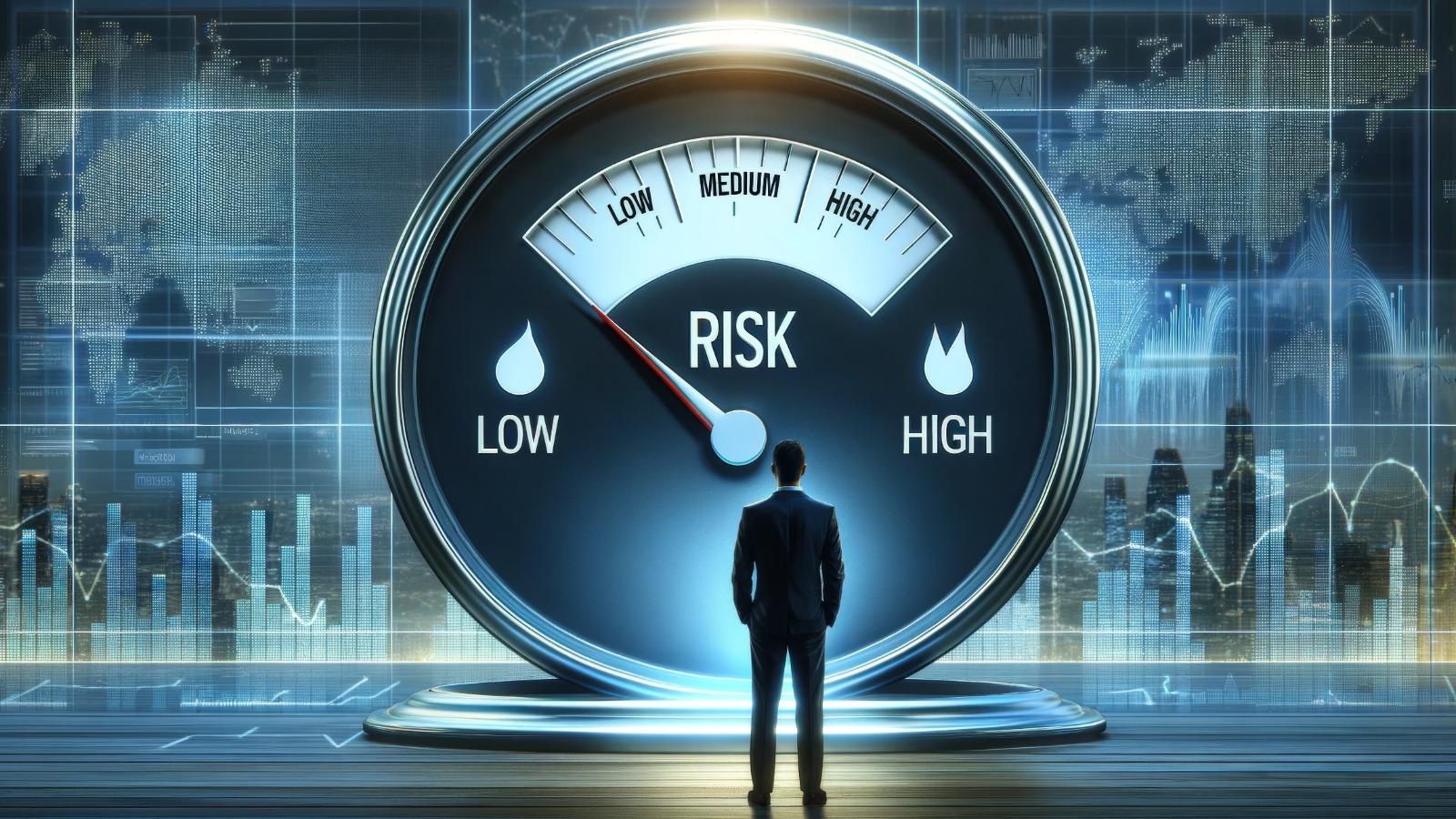
India Inc is entering a phase in which the demands placed on leadership have changed faster than the leaders themselves. The pace of technological interdependence, regulatory tightening, financial volatility and operational fragility has accelerated to the point where risk preparedness is no longer a matter of good governance. It is a prerequisite for survival. The uncomfortable truth is that this shift did not arrive today; it arrived yesterday. And many corporate leaders are already behind.
What is now evident across sectors is that the old model of leadership, where CXOs focused on performance while delegating risk thinking to compliance, audit or treasury teams, has quietly collapsed. Risks have outgrown functional boundaries. A cyber lapse can become a liquidity issue; a supply-chain delay can trigger a regulatory breach; a mispriced contract can damage a brand in minutes. To lead in this environment demands something far more substantial than domain competence. It requires an instinctive, continuous engagement with risk across all the places where it hides.
Yet, even now, too many leadership teams treat risk as a periodic review item rather than a daily discipline. This mindset is no longer merely outdated; it is disqualifying. A CXO who is not systematically engaging with risk, who cannot interpret early tremors, who is unfamiliar with vulnerability points, who waits for the risk office to raise alarms, is simply unfit for modern leadership. The cost of such complacency is measured not in theoretical exposure but in real business damage: operational stalls, reputational erosion, compliance failures and sudden liquidity shocks.
The organisations that are thriving in the present environment are those whose leaders have accepted that risk awareness is not a responsibility to be delegated but a capability to be lived. Their conversations have changed. Strategy reviews now ask what the organisation has failed to see. Budget meetings examine concentration risk. Technology discussions weigh resilience before features. HR interventions prioritise behavioural vulnerabilities. Operational stand-ups track dependencies, not just throughput. In these firms, risk is not a specialist’s vocabulary; it is the grammar of leadership itself.
The reason this shift matters so urgently is that vulnerabilities today are not linear. They compound. They travel through cloud architecture, third-party ecosystems, financial channels and workforce behaviours with a speed and subtlety that few legacy structures can track. Leaders who do not engage with this reality are not just exposing their organisations, they are eroding trust within them. Employees recognise when their leaders understand risk. Markets recognise it. Regulators recognise it. And increasingly, boards are beginning to recognise that leadership without risk competence is leadership in name only.
The most resilient companies, by contrast, are those that have embraced risk awareness as a strategic advantage rather than a defensive necessity. They know that preparedness improves agility, sharpens decision-making and prevents avoidable crises from becoming existential ones. They don’t mistake optimism for strategy. They pair ambition with vigilance.
India Inc is at a point where this maturity can no longer be optional. The organisations that adapt will move ahead with confidence. Those that do not will be overtaken by their own blind spots.
In this landscape, risk awareness is not merely a leadership virtue for CXOs, it is the minimum qualification for the job.