






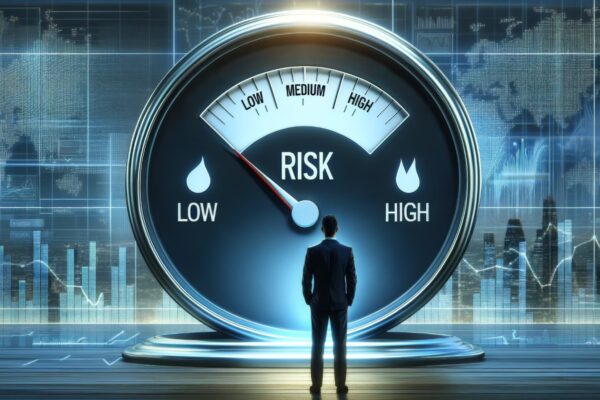
The New Geography of Risk: Why Businesses Need a Real-Time Country Risk Dashboard

For decades, geopolitical risk occupied the periphery of corporate strategy. It was discussed occasionally in relation to oil prices, elections or major conflicts, but rarely treated as a core operating variable for day-to-day business decisions. Most companies assumed that globalisation would continue deepening, supply chains would remain broadly stable and trade integration would steadily outweigh…
Read More

Beyond Crisis Management: Why Scenario Planning Must Become a Regular Operating Discipline

The End of Predictability For decades, many companies treated uncertainty as an occasional disruption rather than a permanent business condition. Scenario planning therefore became an annual offsite exercise, a workshop dominated by PowerPoint presentations, hypothetical discussions and broad macroeconomic assumptions that rarely influenced day-to-day execution. In stable economic cycles, that approach appeared sufficient. In today’s…

Read More

The Collapse of Old Leadership: Why Risk Thinking Can No Longer Be Delegated

India Inc is entering a phase in which the demands placed on leadership have changed faster than the leaders themselves. The pace of technological interdependence, regulatory tightening, financial volatility and operational fragility has accelerated to the point where risk preparedness is no longer a matter of good governance. It is a prerequisite for survival. The…

Read More

Managing Reputational Risks: A Survival Blueprint for BFSI, Corporates, and SMEs

In an era where information travels faster than strategy, reputation has become the most fragile yet most valuable asset an organization possesses. Whether in banking, insurance, manufacturing or technology, reputation defines stakeholder confidence, customer loyalty, and investor trust. For India’s 6.3 crore small and medium enterprises (SMEs), as well as large corporates, reputational capital often…

Read More
Top