






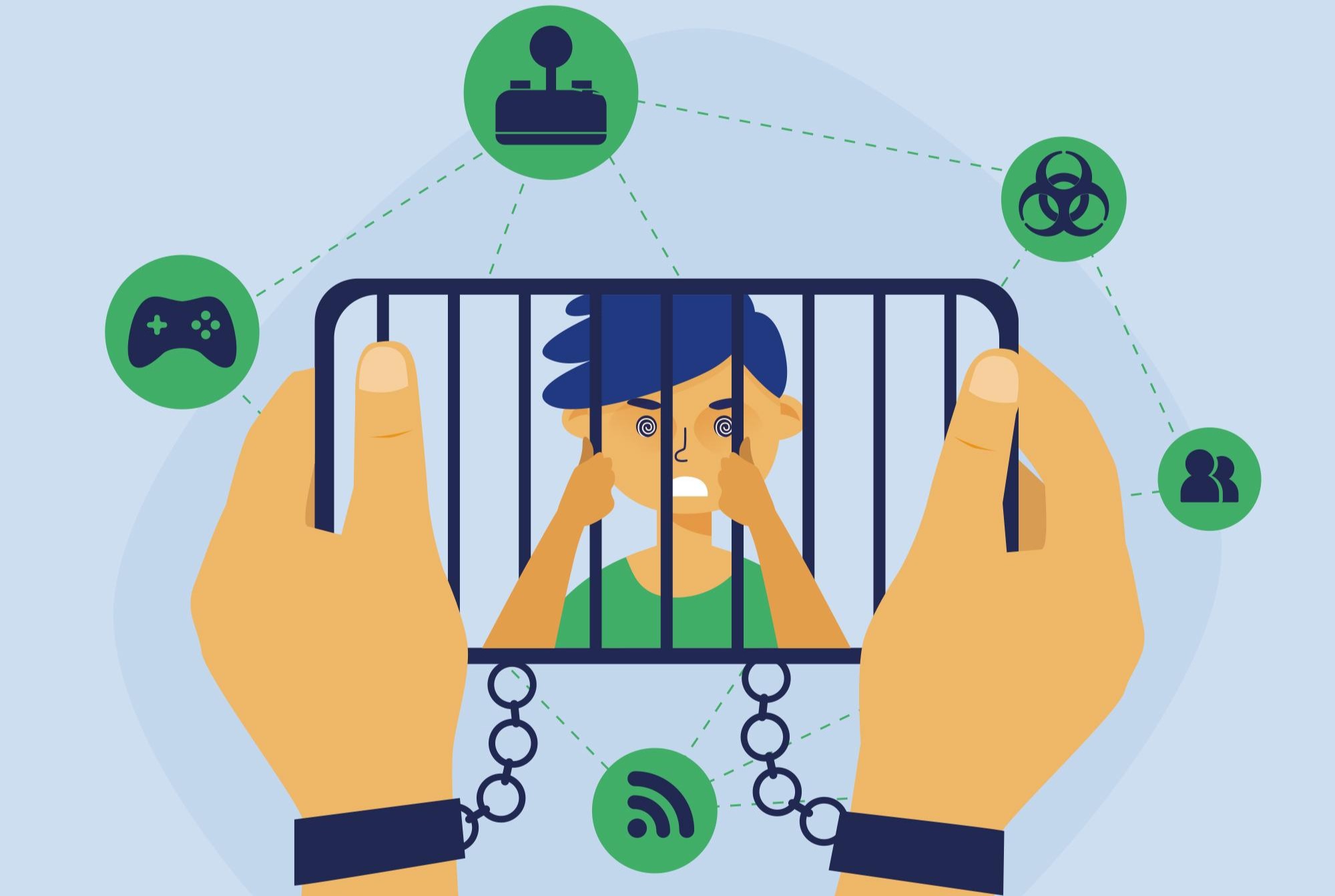
India’s accelerating digital adoption has brought with it an increasingly complex risk landscape, but one of the most revealing developments of recent months has not been a new strain of malware or a breakthrough in cyber-attack technology. It has been the surge in virtual arrest and impersonation scams, operations that rely less on sophisticated technical intrusion and more on exploiting the behavioural vulnerabilities of ordinary people.
As one of the keynote speakers observed in a recent conference on risk and cybersecurity organised by Amanha Idealabs in Chennai, the most striking aspect of these incidents is not their ingenuity but the profile of their victims: educated, financially aware individuals who nonetheless capitulate when confronted with psychological pressure.
This pattern presents an uncomfortable truth for India Inc. Systems can be engineered for resilience, networks can be fortified and controls can be automated with increasing precision. Yet all of these investments are contingent upon one fragile variable: human judgement. It is this gap in perception, in composure and in behavioural discipline, that attackers exploit with remarkable efficiency. It also explains why cyber risk today is as much a governance issue as a technological one.
The mechanics of the scams are straightforward. Attackers impersonate law-enforcement agencies, regulators or courier companies, manufacturing a narrative of urgency and threat. The intended victim is pressured into compliance, sharing personal data, making payments or handing over remote access. At each stage, the deception relies on emotional manipulation rather than technical prowess. It is a form of psychological engineering, targeting anxieties about authority, compliance and reputational damage.
What makes this phenomenon particularly relevant for organisations is the parallel it draws to internal behaviour. In enterprises of every size, from small trading firms to large corporates, employees operate under similar pressures: fear of escalation, desire to respond quickly, aversion to conflict. Under stress, judgement falters. An unverified link is opened, a suspicious attachment downloaded, a fraudulent invoice approved. The cause is rarely ignorance; it is a momentary lapse of caution.
This behavioural blind spot, as the speaker argued, is not an isolated weakness. It is structural. It stems from cultures where speed is valued over scrutiny, where employees hesitate to challenge unexpected instructions and where security protocols are viewed as secondary to operational convenience. In such environments, even well-designed cyber-defence systems can be undone by a single misstep.
The implications are broader than the immediate financial losses incurred by victims. Virtual arrest scams reveal the extent to which psychological vulnerabilities can be weaponised at scale. They also expose a deeper governance gap: most organisations remain unprepared to address the human dimension of cyber risk. Annual awareness sessions or one-time security advisories are insufficient in the face of evolving manipulation techniques.
India’s digital future will demand a recalibration of how cyber resilience is built. Training must shift from information dissemination to behavioural conditioning. Organisations must cultivate environments where verification is normalised, where employees feel protected when they question questionable instructions and where psychological resilience is treated as a core capability.
The technology behind India’s cyber defences will continue to strengthen. But until enterprises recognise that the weakest link lies not in infrastructure but in human behaviour, the country will remain vulnerable, not because attackers have become more advanced, but because individuals remain unprepared for the pressures of digital deception.