




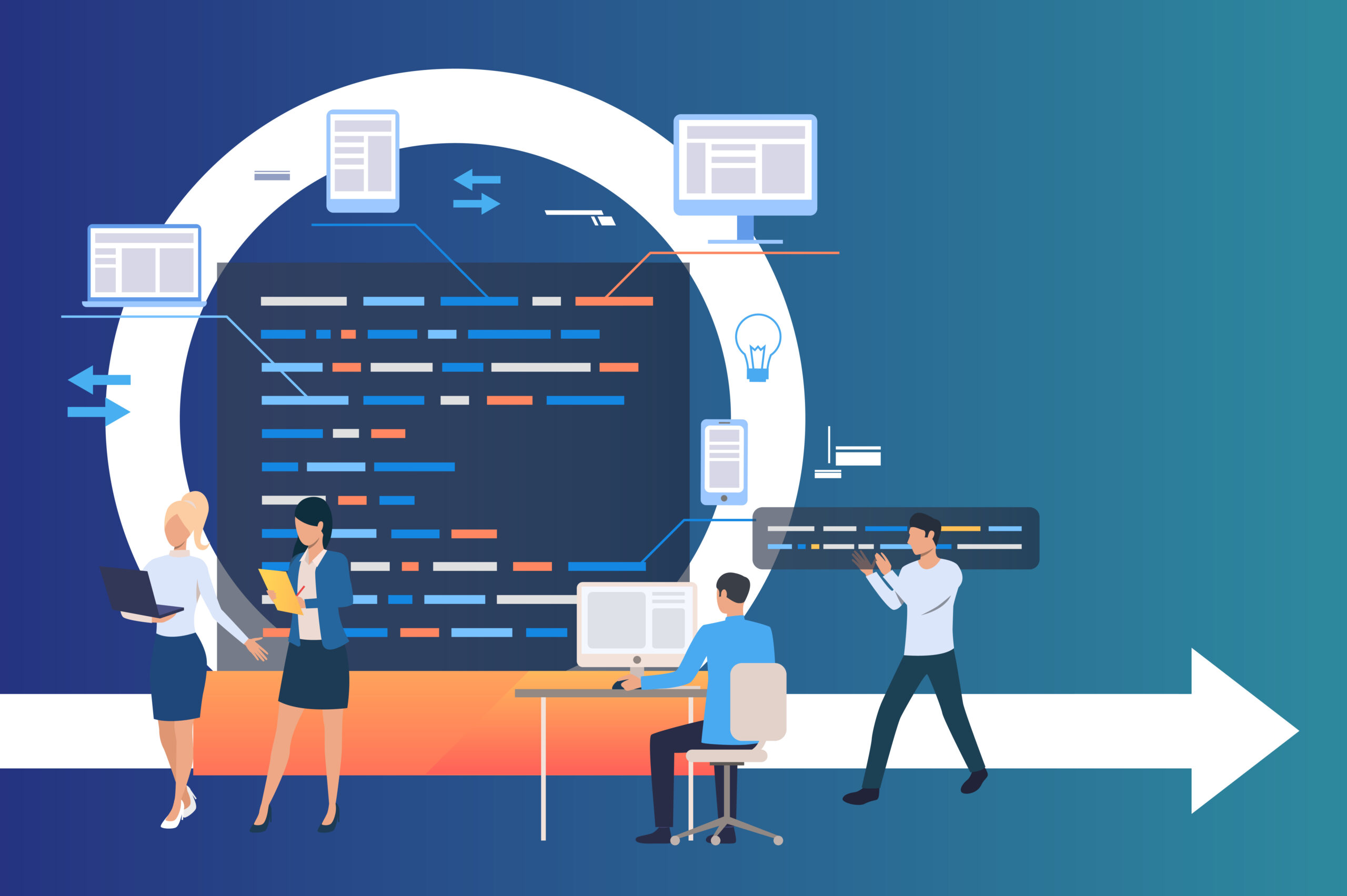
Modern businesses increasingly resemble interconnected digital ecosystems rather than standalone enterprises. Cloud platforms manage customer data. External vendors process payroll. SaaS tools monitor productivity. Third-party APIs connect financial systems. Logistics partners integrate directly into operational workflows. Marketing agencies access customer databases. Cybersecurity vendors themselves depend on multiple subcontracted infrastructure providers.
Yet despite this growing interdependence, many organisations continue to assess risk primarily within their own operational boundaries.
That approach is becoming dangerously outdated.
Some of the most disruptive corporate incidents in recent years have not originated inside the affected company at all. They have emerged through vendors, software providers, outsourced partners and poorly monitored digital dependencies sitting quietly inside broader enterprise ecosystems. In many cases, the weakest operational link is no longer internal infrastructure, but an external party operating with insufficient scrutiny.
This challenge is intensifying as SaaS adoption accelerates across industries. Businesses are onboarding software tools faster than governance frameworks can keep pace. The result is a rapidly expanding layer of third-party exposure that many organisations only partially understand.
The supplier businesses know the least about may increasingly represent the greatest operational risk.
SaaS Convenience Has Created a New Risk Surface
The appeal of SaaS platforms is understandable. They offer scalability, flexibility, lower upfront infrastructure costs and rapid deployment. Business units no longer need large technology implementation cycles to adopt operational tools. Teams can activate applications within hours using corporate cards and lightweight approvals.
But this convenience has produced a parallel phenomenon: SaaS sprawl.
Across enterprises, dozens and in some cases hundreds of external applications now interact with sensitive operational, financial, employee and customer information. Many of these tools operate outside centralized technology oversight. Individual departments procure their own platforms for workflow automation, collaboration, analytics, compliance or customer engagement without fully evaluating downstream dependencies.
This creates a fragmented risk landscape.
A company may conduct rigorous security reviews for core infrastructure vendors while remaining largely unaware of secondary or tertiary providers connected indirectly through external software ecosystems. One vendor’s weakness can quickly cascade across multiple organisations through shared infrastructure exposure.
The problem is compounded by the fact that digital concentration risk is often invisible until disruption occurs.
Third-Party Risk Is No Longer Only a Cybersecurity Issue
Many organisations still view third-party risk primarily through the lens of cybersecurity. While cyber exposure remains central, the risk landscape has expanded significantly beyond data breaches alone.
Operational resilience itself is increasingly tied to external dependencies.
A cloud service outage can halt business operations globally within minutes. A logistics technology partner facing downtime can disrupt supply chain visibility. A payroll provider experiencing technical failure can affect employee payments across multiple geographies. Regulatory failures by outsourced compliance vendors can create legal and reputational exposure for clients. Even customer experience is now deeply dependent on third-party infrastructure performance.
This interconnectedness changes the nature of enterprise vulnerability.
Businesses may possess strong internal governance, mature security protocols and disciplined operational processes, yet still face material disruption because of weaknesses embedded elsewhere in the ecosystem. In such an environment, risk management can no longer focus solely on protecting internal assets. It must also assess the resilience, concentration and governance quality of external relationships.
The distinction between “our risk” and “vendor risk” is gradually disappearing.
The Problem Often Begins with Visibility
One of the most persistent weaknesses in third-party risk management is incomplete visibility.
Many organisations do not maintain a fully centralized inventory of vendors with access to critical systems or sensitive information. Procurement decisions may occur independently across departments. Technology teams may not always know which external platforms business units are actively using. Legacy vendor relationships often continue for years without structured reassessment.
As SaaS ecosystems expand, this visibility problem becomes more acute.
A business cannot effectively manage exposure it does not fully understand. Yet in many organisations, vendor mapping exercises remain fragmented, static, or heavily compliance-driven rather than operationally integrated.
This creates blind spots around concentration risk as well.
Several seemingly independent applications may ultimately depend on the same cloud infrastructure provider or subcontracted service layer. Businesses often discover these hidden dependencies only during outages or security incidents. What appears diversified at the application level may actually remain highly concentrated underneath.
The operational implications of such concentration can be severe, particularly when multiple critical workflows depend on shared external infrastructure.
Contract Clauses Are Becoming Strategic Tools
Historically, many vendor agreements were negotiated primarily around pricing, service delivery, and implementation timelines. Risk governance language often received comparatively limited attention, especially in fast-moving digital procurement environments.
That dynamic is beginning to change.
Contractual frameworks are increasingly becoming strategic instruments for operational resilience. Businesses are paying closer attention to data ownership rights, incident notification timelines, audit access provisions, subcontractor disclosures, business continuity obligations and liability limitations.
These clauses matter because disruptions rarely unfold neatly.
During incidents, organisations often discover that contractual obligations around accountability, escalation, remediation or financial exposure were insufficiently defined. Recovery becomes slower and legal ambiguity increases precisely when operational clarity is most needed.
Smaller companies may be particularly vulnerable here. Many SMEs and mid-sized enterprises adopt SaaS platforms using standardized agreements without fully assessing long-term operational implications. The convenience of rapid onboarding frequently overshadows governance scrutiny.
As digital dependency deepens, however, contract management itself is becoming part of enterprise risk management.
Continuous Monitoring Is Replacing Static Due Diligence
Traditional third-party assessments were often periodic exercises conducted during onboarding or annual review cycles. That model is increasingly inadequate for modern digital ecosystems where vendor risk profiles can change rapidly.
Continuous monitoring is becoming essential.
Cybersecurity posture, regulatory compliance status, financial health, operational resilience and external threat exposure are all dynamic variables. A vendor considered low-risk six months ago may experience significant deterioration following leadership changes, funding pressure, geopolitical developments or operational incidents.
The shift underway is therefore from static due diligence toward continuous risk intelligence.
This requires businesses to move beyond checkbox-based assessments and develop more integrated monitoring capabilities across critical vendor ecosystems. For highly interconnected enterprises, third-party governance is no longer merely a procurement function or audit requirement. It is becoming an operational survival capability.
The New Operational Reality
The modern enterprise increasingly operates through invisible partnerships. Cloud providers, SaaS platforms, outsourced processors, digital consultants, logistics technology firms and infrastructure vendors collectively shape daily business continuity in ways few organisations fully appreciate.
This interconnectedness delivers enormous efficiency. It also introduces systemic fragility.
In an era of accelerating digital dependency, businesses are no longer judged solely by the strength of their own controls. They are also exposed to the resilience standards of the ecosystems surrounding them.
The next major operational disruption for many organisations may not emerge from a direct internal failure. It may arrive through a vendor relationship that appeared routine, a subcontractor never properly assessed or a concentration risk hidden beneath layers of digital abstraction.
That is the uncomfortable reality of modern enterprise risk.
The supplier businesses understand the least may ultimately have the greatest influence over how resilient those businesses actually are.