





In a decisive shift towards strengthening the financial backbone of its maritime ecosystem, the Government of India has approved the creation of a sovereign-backed domestic maritime insurance pool, marking a structural intervention in how India manages trade risk. With a proposed guarantee of ₹12,980 crore, the initiative signals a move to reduce long-standing dependence on foreign insurers and bring greater stability to India’s shipping-linked trade flows.
The proposed ‘Bharat Maritime Insurance Pool’ (BMI Pool) is designed to provide end-to-end risk coverage across the maritime value chain, including hull and machinery, cargo, protection and indemnity (P&I) and war risk insurance. Its scope extends to Indian-flagged as well as Indian-controlled vessels, including those navigating high-risk international corridors. This broad-based coverage is particularly significant at a time when geopolitical disruptions have made maritime insurance both costlier and less predictable.
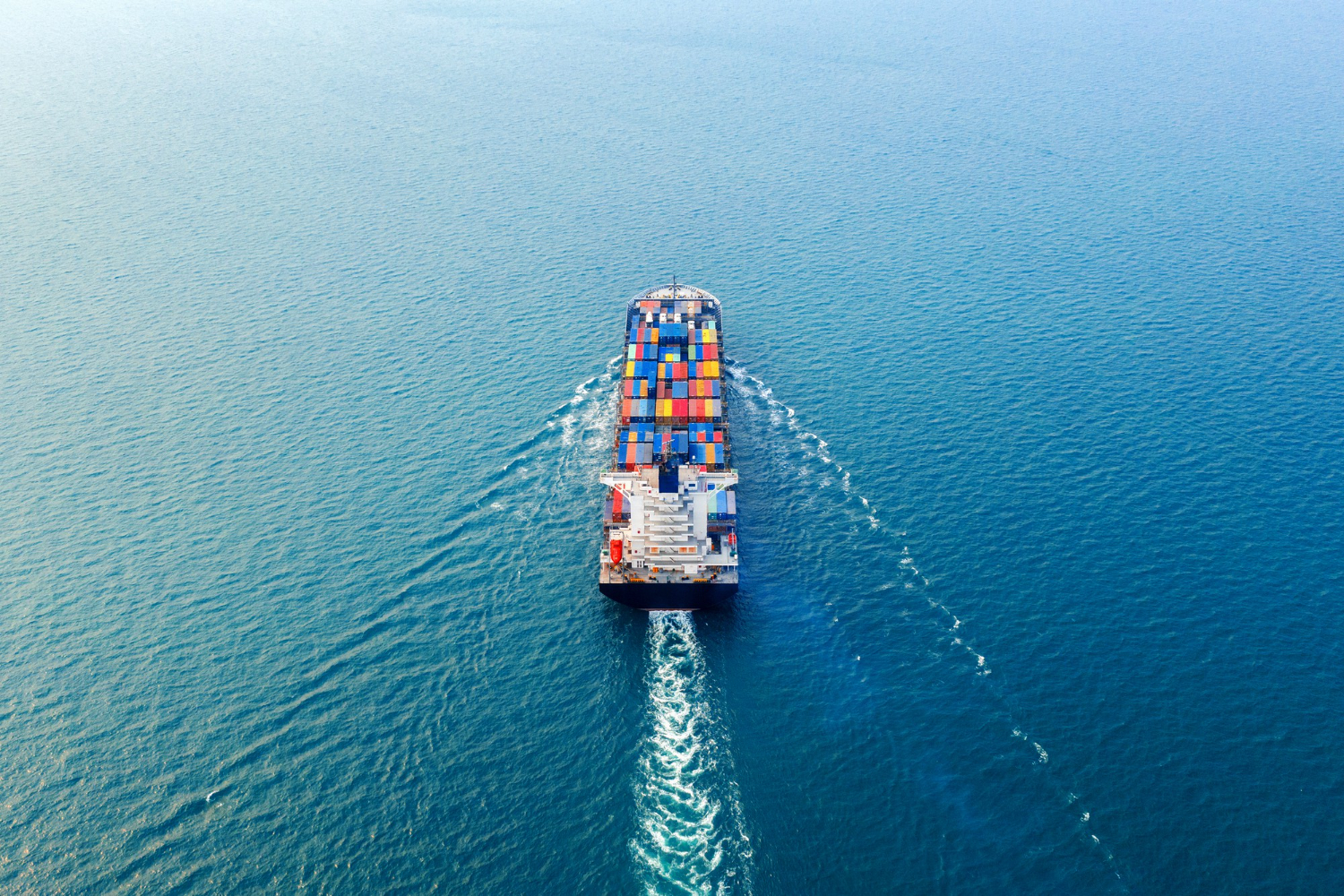
India’s exposure to external insurance markets has historically been a structural vulnerability. Despite handling over 70% of trade by volume and nearly 95% by value through maritime routes, a substantial portion of insurance underwriting has remained concentrated in global hubs such as London. This dependency has repeatedly surfaced during crises. Recent disruptions in the Red Sea, Strait of Hormuz and Gulf of Oman saw international insurers either sharply increase premiums or withdraw coverage altogether, exposing Indian exporters and shipping operators to sudden financial and operational shocks.
The BMI Pool aims to address precisely this gap by ensuring continuity of coverage, irrespective of global market sentiment or geopolitical volatility. By underwriting risks domestically with sovereign backing, India is effectively internalising a critical layer of trade infrastructure that was previously outsourced. This has direct implications for cost predictability, risk pricing and the overall resilience of supply chains, particularly for exporters operating on tight margins.
From a strategic standpoint, the move goes beyond insurance. It represents a broader attempt to align financial infrastructure with national trade ambitions. Countries such as the United Kingdom, Japan and South Korea have long relied on state-supported insurance mechanisms to safeguard their maritime interests. India’s entry into this framework reflects an acknowledgment that shipping competitiveness is as much about risk management as it is about port capacity or fleet size.
The initiative also complements the objectives of Maritime India Vision 2030, which identifies the development of a robust insurance ecosystem as a key enabler of maritime growth. By ensuring that vessels, cargo and liabilities remain protected even in conflict-prone waters, the BMI Pool strengthens India’s ability to maintain trade continuity under stress scenarios.
Equally important is the signalling effect. Sovereign-backed insurance introduces a layer of confidence for global trading partners, financiers and logistics stakeholders engaging with Indian shipping. It reduces uncertainty around risk coverage, improves the bankability of maritime operations and can potentially lower the cost of capital across the sector.
In effect, the creation of the BMI Pool marks a transition from reactive risk management to a more proactive, system-level approach. As global trade becomes increasingly exposed to geopolitical fragmentation and route disruptions, the ability to insure risk domestically could emerge as a critical differentiator. For India, this move is less about replacing global insurers and more about ensuring that the continuity of its trade is no longer contingent on external risk appetites.