




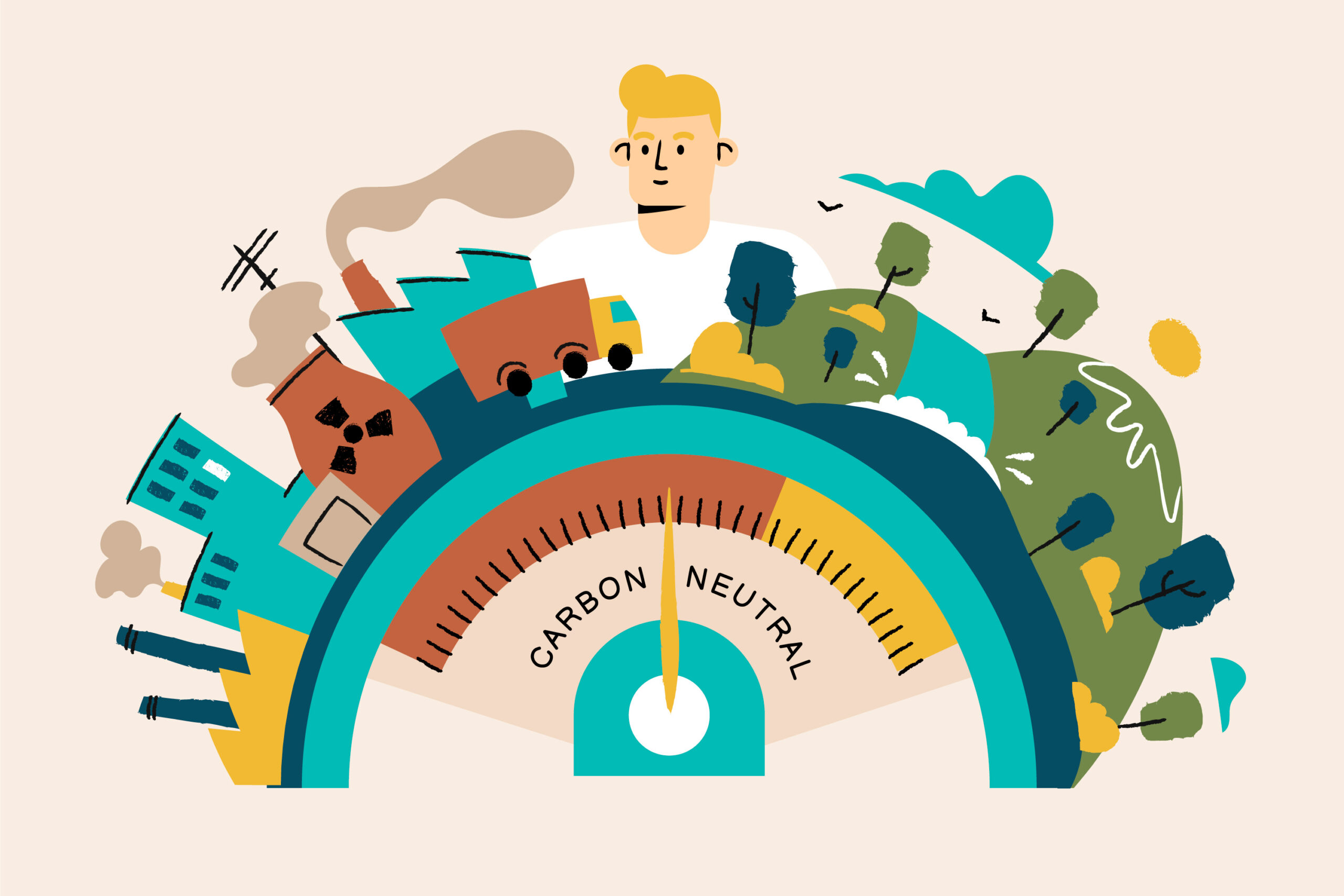
For much of the past three decades, supply chain risk was treated as an efficiency problem. Optimise sourcing, minimise inventory, compress transit times. Resilience was assumed to follow scale and globalisation. Recent years have dismantled that belief.
Across the world, climate volatility, geopolitical realignment and corridor concentration are reshaping how risk manifests in supply chains. For Indian industry, deeply integrated into global value chains yet structurally dependent on specific clusters and routes, these forces are no longer distant macro trends. They are operational realities.
The next decade will test whether Indian firms can move from reactive disruption management to forward-looking supply chain risk design.
Climate Risk Moves from Periphery to Core
Climate-related disruptions are no longer episodic shocks. Floods, heatwaves, cyclones and water stress have become recurring features of industrial planning. Globally, insurers and multinational buyers now treat climate exposure as a material supply chain risk, comparable to geopolitical instability or credit concentration.
India’s exposure is particularly acute. Manufacturing clusters in coastal belts, river basins and heat-stressed regions increasingly face production halts, logistics bottlenecks and labour disruptions linked to extreme weather. Ports, warehouses and transport corridors, all being critical nodes in the export ecosystem, are vulnerable to both flooding and heat-induced operational failures.
Yet most Indian companies still treat climate risk as a compliance or sustainability disclosure issue, not a supply chain design variable. That gap is widening. Global buyers are beginning to ask not only about price and capacity, but about physical resilience, where goods are produced, how they move, and how disruptions are mitigated.
The Corridor Concentration Problem
Beyond climate, the structure of India’s supply chains reveals another vulnerability: corridor concentration.
A significant share of India’s exports and domestic manufacturing activity flows through a limited number of ports, highways, industrial clusters and logistics hubs. This concentration delivers economies of scale, but it also creates single points of failure. A disruption in one corridor, whether due to weather, labour unrest, regulatory delays or geopolitical constraints, can ripple across entire sectors.
Globally, firms are responding by redesigning supply routes. Near-shoring, friend-shoring and corridor diversification are no longer strategic experiments; they are becoming standard risk responses. Trade flows are being recalibrated not just around cost, but around reliability and political alignment.
For Indian exporters, this shift presents both a risk and an opportunity. Dependence on legacy corridors without contingency planning may undermine competitiveness. Conversely, firms that proactively align with emerging trade routes, alternate ports and multimodal logistics networks may gain preferential positioning with risk-sensitive buyers.
Climate, Geopolitics and the Question of Location
The interaction between climate risk and geopolitics is particularly consequential.
Trade corridors are increasingly shaped by political alignments, sanctions regimes and security considerations. At the same time, climate events are altering the viability of certain locations altogether. Together, these forces challenge long-held assumptions about where manufacturing “should” be located.
Indian firms, particularly SMEs embedded in narrow clusters, often lack the scale to diversify production geographically. But risk does not demand wholesale relocation; it demands informed choice. Understanding exposure, whether to water scarcity, flood plains, heat stress or transport chokepoints, is the first step toward resilience.
Globally, leading firms are integrating climate analytics, satellite data and scenario planning into supply chain decisions. In India, adoption remains uneven, but the direction of travel is clear. Supply chain mapping is becoming a board-level exercise, not an operational afterthought.
What Global Buyers Are Now Assessing
A subtle but significant shift is underway in procurement and supplier evaluation practices. Buyers are increasingly assessing vendors not only on cost, quality and delivery, but on systemic resilience.
Questions are changing. How diversified are your supply routes? What happens if a port shuts down? How exposed is your production base to extreme weather? Do you have contingency logistics in place?
For Indian firms, the risk is not immediate exclusion, but gradual marginalisation. Suppliers unable to demonstrate resilience may find themselves bypassed in favour of those who can offer predictable delivery in an unpredictable world.
Towards a Risk-Aware Supply Chain Strategy
The challenge for Indian industry is not to predict every disruption, but to institutionalise preparedness.
This requires a shift in mindset. Supply chain risk management can no longer sit solely within operations or procurement. It must integrate climate foresight, corridor intelligence, insurance insights and financial planning. Diversification of sourcing, transport routes and markets will increasingly be viewed as a strategic investment rather than an inefficiency.
Policy signals support this transition. Infrastructure development, multimodal logistics initiatives and trade agreements provide tools for diversification. But private decision-making will determine whether these tools translate into resilience.
The Decade Ahead
Supply chains will remain under pressure. Climate volatility will intensify. Trade corridors will realign. Concentration risks will surface where least expected.
For Indian industry, the lesson is clear. The era of assuming stability has ended. Resilience will belong to those who understand where risk accumulates geographically, climatically and structurally and who act before disruption becomes crisis.
In the next decade, competitive advantage will belong not merely to those who produce efficiently, but to those who move intelligently through a risk-aware world.