





Artificial intelligence is often described as the defining technology of the decade. Discussions around AI typically focus on foundation models, computing power, software innovation and multibillion-dollar investments by technology giants. Yet behind every AI breakthrough lies a less visible reality: the physical infrastructure required to support it.
As AI adoption accelerates across industries, the future of the technology will depend not only on algorithms and applications but also on the resilience of data centre supply chains. From critical minerals and semiconductors to power infrastructure and cooling systems, the components that enable AI are becoming increasingly important strategic assets.
In many ways, AI has now evolved from being just a software story to an industrial infrastructure story.
The Infrastructure Behind AI
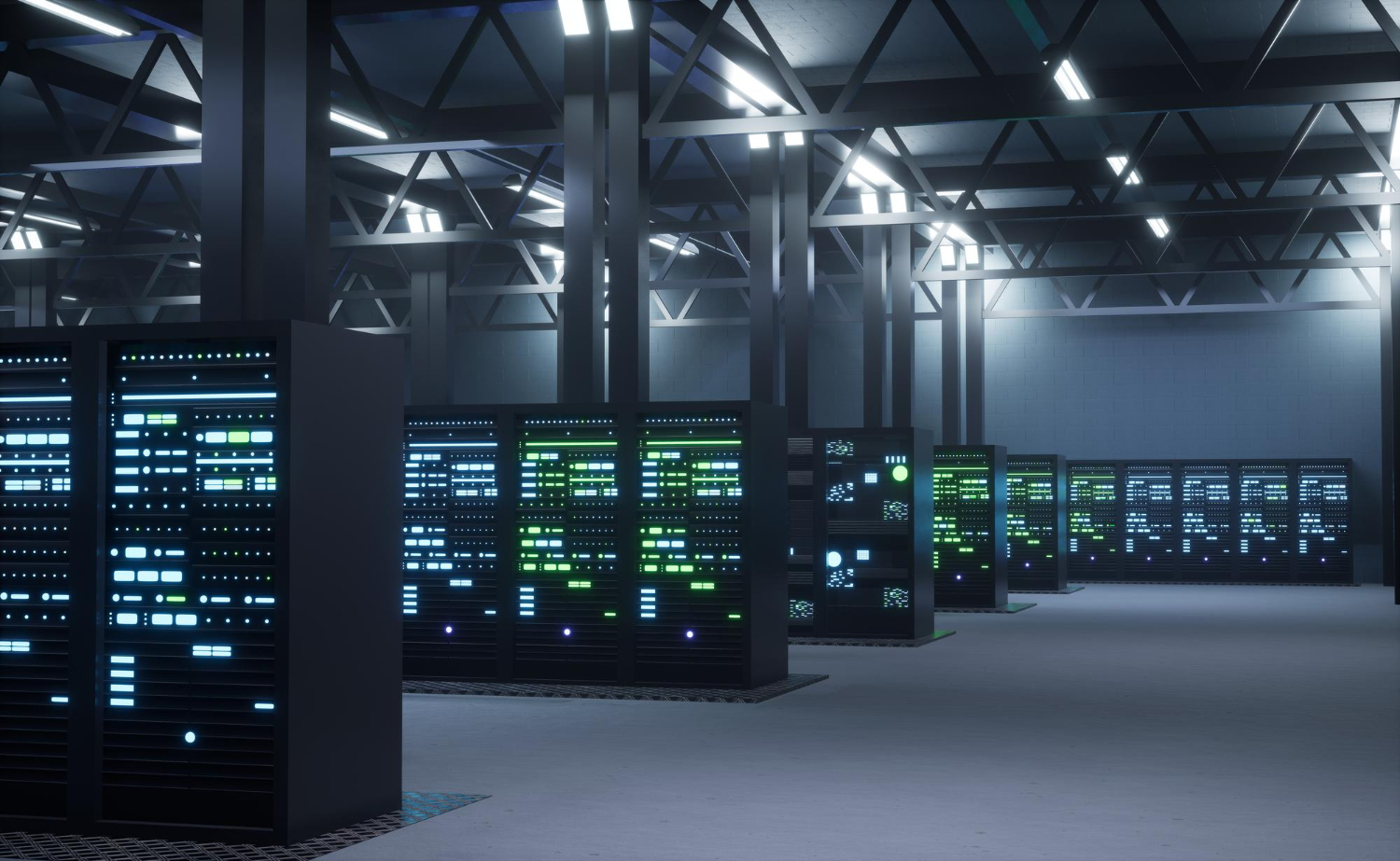
Modern AI workloads place significantly higher demands on computing infrastructure than traditional enterprise applications. Training and running advanced AI models requires large-scale data centers equipped with specialised processors, high-density racks, advanced cooling systems and uninterrupted power supplies.
This shift is transforming data centers into critical enablers of AI growth.
The challenge is that every new data center depends on a complex ecosystem of suppliers, manufacturers, utilities and logistics networks. Power equipment, electrical components, construction materials, semiconductors and network infrastructure must all come together before AI systems can operate at scale.
As demand for AI capacity increases, pressure on these supply chains is intensifying.
Power Has Become the Primary Constraint
Among the various challenges facing AI infrastructure expansion, access to power is emerging as one of the most significant.
AI-optimised data centers consume substantially more electricity than conventional facilities. High-performance processors require greater power density, while cooling systems must work harder to manage increasing heat loads.
As a result, the availability of electricity and supporting grid infrastructure is becoming a critical determinant of where and when new AI facilities can be deployed.
Industry reports increasingly point to delays in the procurement of key electrical equipment, including transformers, switchgear and backup power systems. In several markets, project timelines are influenced as much by utility readiness and power connectivity as by the availability of computing hardware itself.
For data center developers, securing reliable power infrastructure has become a strategic priority.
The Growing Importance of Critical Materials
Beyond power, AI infrastructure relies heavily on a range of industrial materials that are becoming increasingly important to global supply chains.
Copper remains one of the most critical inputs due to its extensive use in power distribution systems, cabling and electrical connections. As AI facilities become larger and more energy-intensive, demand for copper continues to rise.
Other materials such as aluminium, rare earth elements, gallium and germanium also play important roles across cooling systems, electronic components and semiconductor manufacturing.
These supply chains face growing pressure from multiple directions. Demand from electric vehicles, renewable energy projects, advanced manufacturing and digital infrastructure is increasing simultaneously. In addition, geopolitical developments and export restrictions have highlighted the vulnerability of highly concentrated supply networks.
For AI infrastructure builders, material availability is increasingly becoming a strategic risk rather than simply a procurement challenge.
Semiconductor Supply Remains Critical
The AI boom has also placed extraordinary demand on advanced semiconductors.
AI workloads require specialised processors capable of handling complex computational tasks at scale. While the semiconductor industry has invested heavily in expanding capacity, manufacturing remains concentrated within a relatively small number of regions and suppliers.
This concentration creates exposure to geopolitical tensions, trade restrictions and supply disruptions.
Although the semiconductor shortages experienced during the pandemic have eased considerably, long lead times for new fabrication facilities mean that supply expansion cannot happen overnight. Building advanced chip manufacturing capacity requires significant capital investment, specialised expertise and years of development.
Consequently, semiconductor supply remains a key factor influencing the pace of AI infrastructure deployment worldwide.
Why Supply Chain Resilience Matters
The broader lesson emerging from the AI infrastructure boom is that supply chain resilience has become directly linked to AI competitiveness.
Enterprises across sectors are rapidly integrating AI into business operations, customer engagement, analytics and decision-making processes. Governments are simultaneously viewing AI capabilities as critical to economic growth, innovation and national competitiveness.
However, AI ambitions can only be realised if the underlying infrastructure can scale accordingly.
Delays in power equipment, shortages of critical materials, bottlenecks in semiconductor production or weaknesses in logistics networks can all slow the deployment of new data center capacity.
As a result, organisations are increasingly paying closer attention to supplier diversification, long-term procurement strategies and infrastructure planning. Visibility across the supply chain is becoming just as important as technological capability.
A Strategic Imperative for the Future
Addressing these challenges will require collaboration across governments, utilities, technology companies, manufacturers and infrastructure providers.
Earlier procurement of long-lead equipment, stronger visibility into material dependencies, investment in grid modernisation and support for critical mineral supply chains are all becoming important areas of focus.
The objective is not simply to build more data centers. It is to ensure that the infrastructure supporting AI remains reliable, scalable and resilient over the long term.
As AI adoption continues to accelerate, the conversation must extend beyond software innovation and computational performance. The future of AI will depend equally on the ability to secure power, move materials, build facilities and strengthen the industrial ecosystems that support digital growth.
Ultimately, the pace of AI expansion may be determined not only by technological breakthroughs, but by the strength of the supply chains that make those breakthroughs possible.