




For much of the industrial age, the factory floor was largely isolated from the outside world. Production systems, machinery and operational controls functioned within defined physical boundaries, while cybersecurity was primarily viewed as an information technology concern.
That separation is rapidly disappearing.
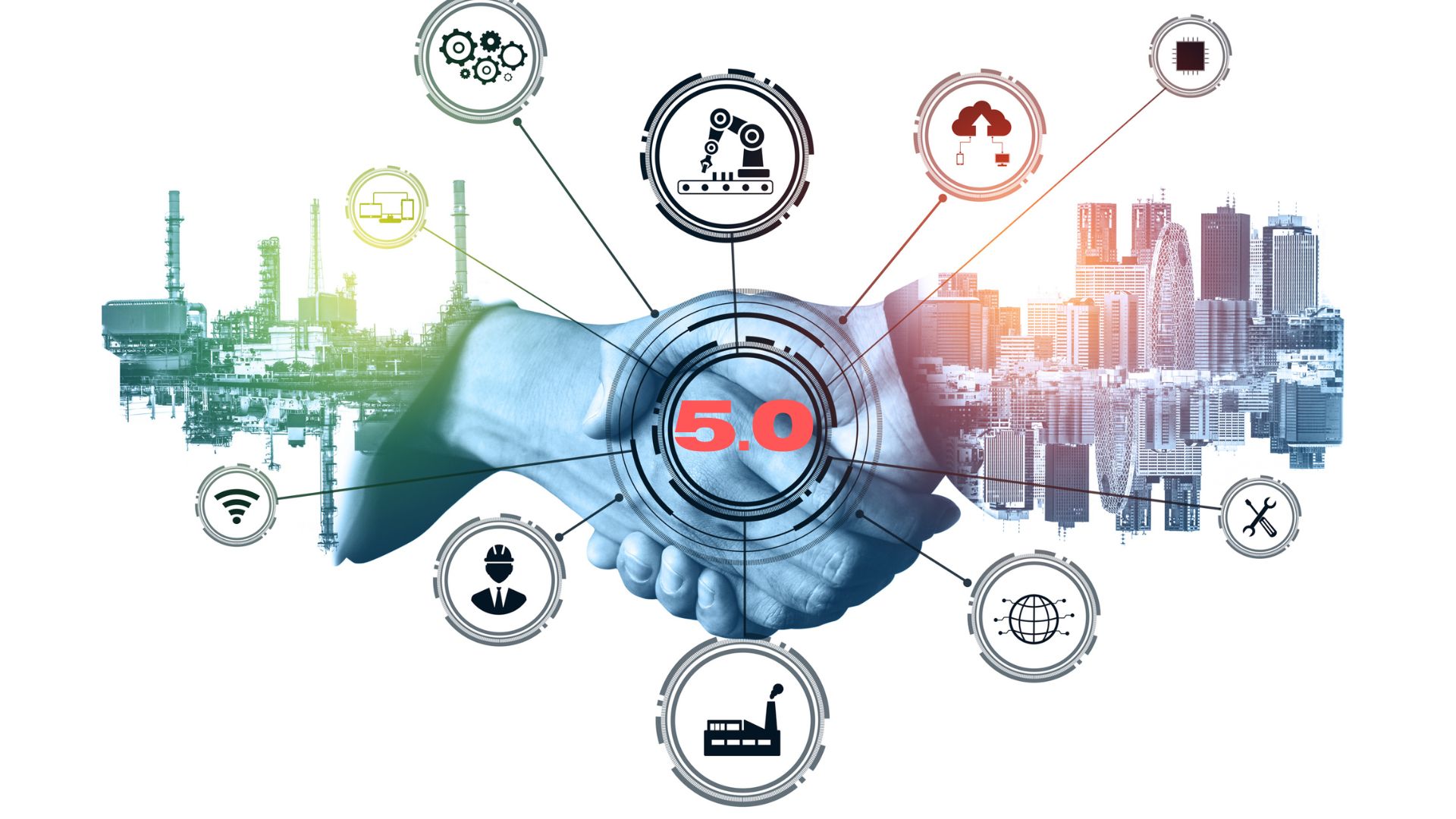
As manufacturers embrace Industry 5.0, a new generation of interconnected technologies is reshaping industrial operations. Artificial intelligence is being deployed to optimise production, Internet of Things (IoT) sensors are generating real-time operational insights, robots are working alongside humans, cloud platforms are centralising industrial data, and operational technology (OT) systems are increasingly integrated with enterprise networks.
The result is a more intelligent, efficient and responsive factory. It is also creating a fundamentally new risk landscape.
The Connected Factory Revolution
Industry 5.0 represents a shift beyond automation towards greater collaboration between humans, machines and intelligent systems. Unlike earlier phases of industrial transformation that focused primarily on productivity, Industry 5.0 emphasises adaptability, resilience and data-driven decision-making.
For manufacturers, the benefits are compelling. Predictive maintenance can reduce downtime. AI-driven analytics can improve quality control. Connected supply chains can provide greater visibility across production networks. Smart factories can respond more quickly to changing customer demand.
Yet every new connection also creates a potential new vulnerability.
A sensor connected to a network, a robot receiving cloud-based instructions, or an AI system analysing production data may individually appear harmless. Collectively, they create a vastly expanded attack surface that traditional security models were never designed to protect.
The Blurring of IT and OT
One of the most significant changes is the growing convergence of information technology and operational technology.
Historically, IT systems managed data, communications and business applications, while OT systems controlled physical processes such as manufacturing equipment, industrial machinery and production lines. These environments were often managed separately with distinct priorities and security approaches.
Today, that distinction is becoming increasingly blurred.
Manufacturers seeking greater efficiency are connecting production environments to enterprise platforms, cloud services and external partners. While this integration creates valuable operational insights, it also means that a cybersecurity incident can move beyond data theft and directly affect physical operations.
The consequences of an attack are no longer confined to compromised information. Production stoppages, equipment disruption, safety incidents and supply chain interruptions are becoming realistic scenarios.
Why Traditional Security Models Are Struggling
Many industrial organisations continue to rely on security frameworks originally designed for conventional IT environments. These approaches often assume that systems can be regularly patched, upgraded or temporarily taken offline for maintenance.
Industrial environments rarely operate under such conditions.
Production systems may run continuously for years. Legacy equipment often remains in service long after its original security architecture becomes outdated. Operational priorities frequently focus on availability and safety, sometimes creating tension with cybersecurity requirements.
At the same time, threat actors are becoming increasingly sophisticated. Critical infrastructure, manufacturing facilities and industrial supply chains are now recognised as high-value targets because operational disruption can generate immediate economic impact.
The challenge for organisations is no longer simply preventing attacks. It is maintaining resilience in environments where complete prevention may be unrealistic.
Building Security for the Industry 5.0 Era
The future of industrial security will require a broader perspective than traditional cybersecurity alone.
Risk leaders must increasingly view cyber risk, operational risk, safety risk and business continuity as interconnected disciplines rather than separate functions. Visibility across industrial assets, stronger governance of connected technologies and closer collaboration between technology and operational teams will become essential.
Most importantly, organisations must recognise that every innovation introduces new dependencies and exposures.
The factories of the future will undoubtedly be smarter. They will be faster, more connected and more intelligent than ever before. But they will also operate in an environment where digital and physical risks are deeply intertwined.
In the Industry 5.0 era, competitive advantage will not be defined solely by technological sophistication. It will also be determined by an organisation’s ability to secure, govern and remain resilient within an increasingly complex industrial ecosystem.